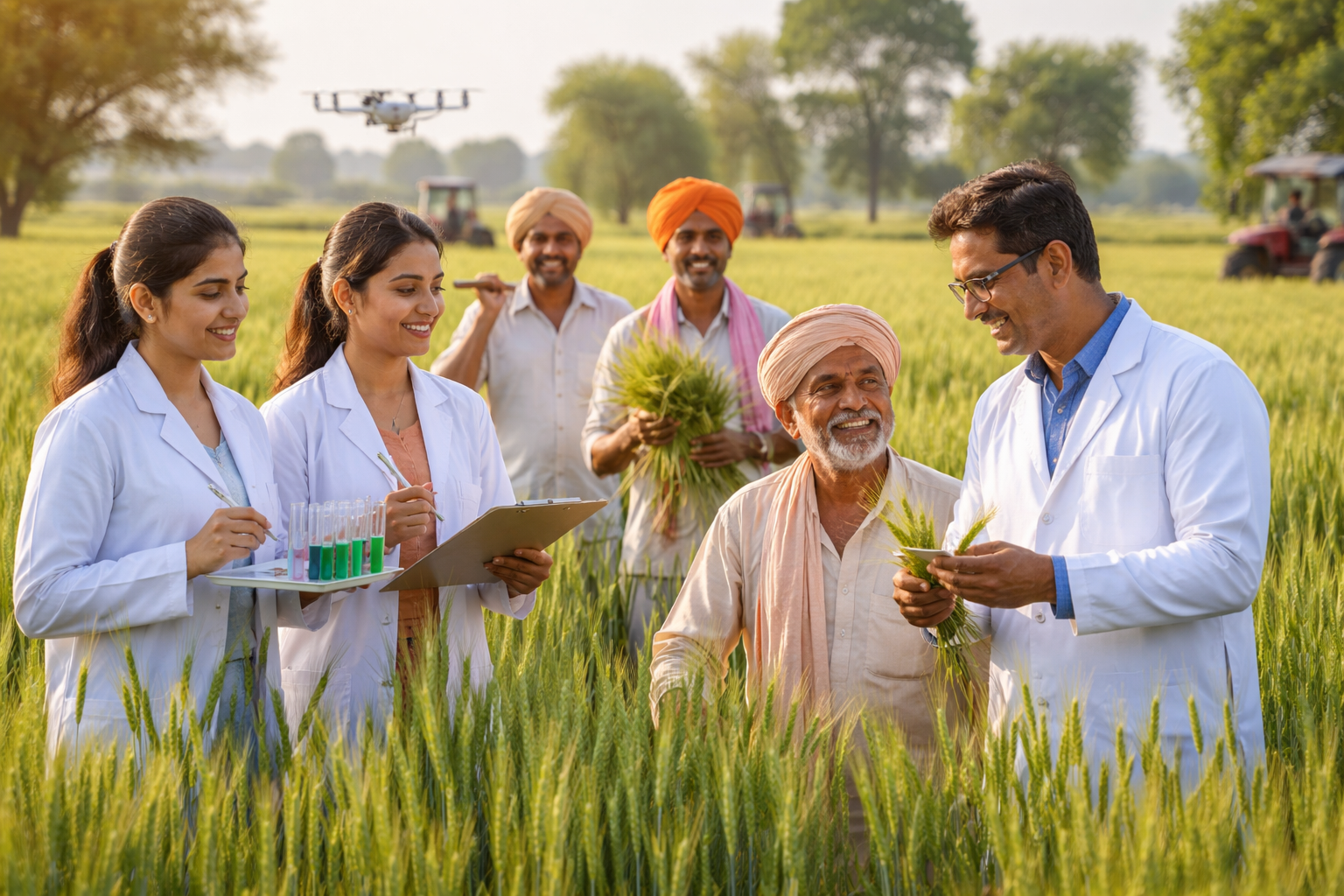
India feeds one-fifth of humanity, yet invests barely 0.3–0.4% of its agricultural GDP in research—the very foundation of future food security. As climate stress, soil degradation, water scarcity, and volatile markets intensify, this underinvestment is no longer a budgetary detail but a strategic risk. Treating agricultural R&D as expendable today may quietly erode the resilience India will urgently need tomorrow.
undefined
Post By
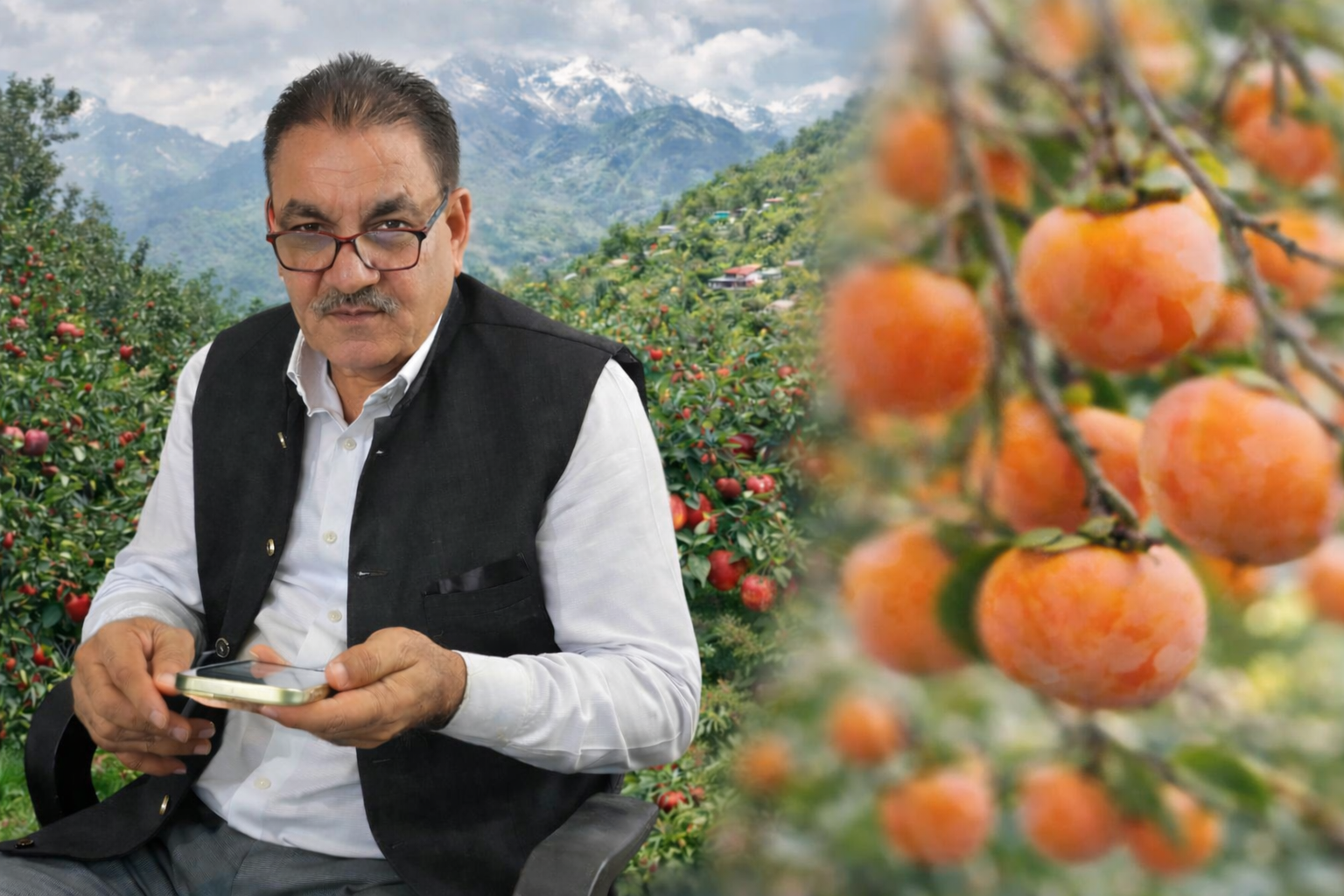
Apples and Persimmons: Science, Shelf Life, and the Wisdom of Sustainable Horticulture
Indian horticulture’s future will not be secured by chasing fashionable fruits, but by strengthening crops that have already proven their ecological, economic, and social resilience. Apples are more than a harvest—they are long-term covenants between science and livelihood, offering storage stability, nutritional balance, and sustained rural income. In an era of climate uncertainty and market volatility, wisdom lies not in novelty, but in nurturing systems that endure.
Smart Markets, Strong Villages
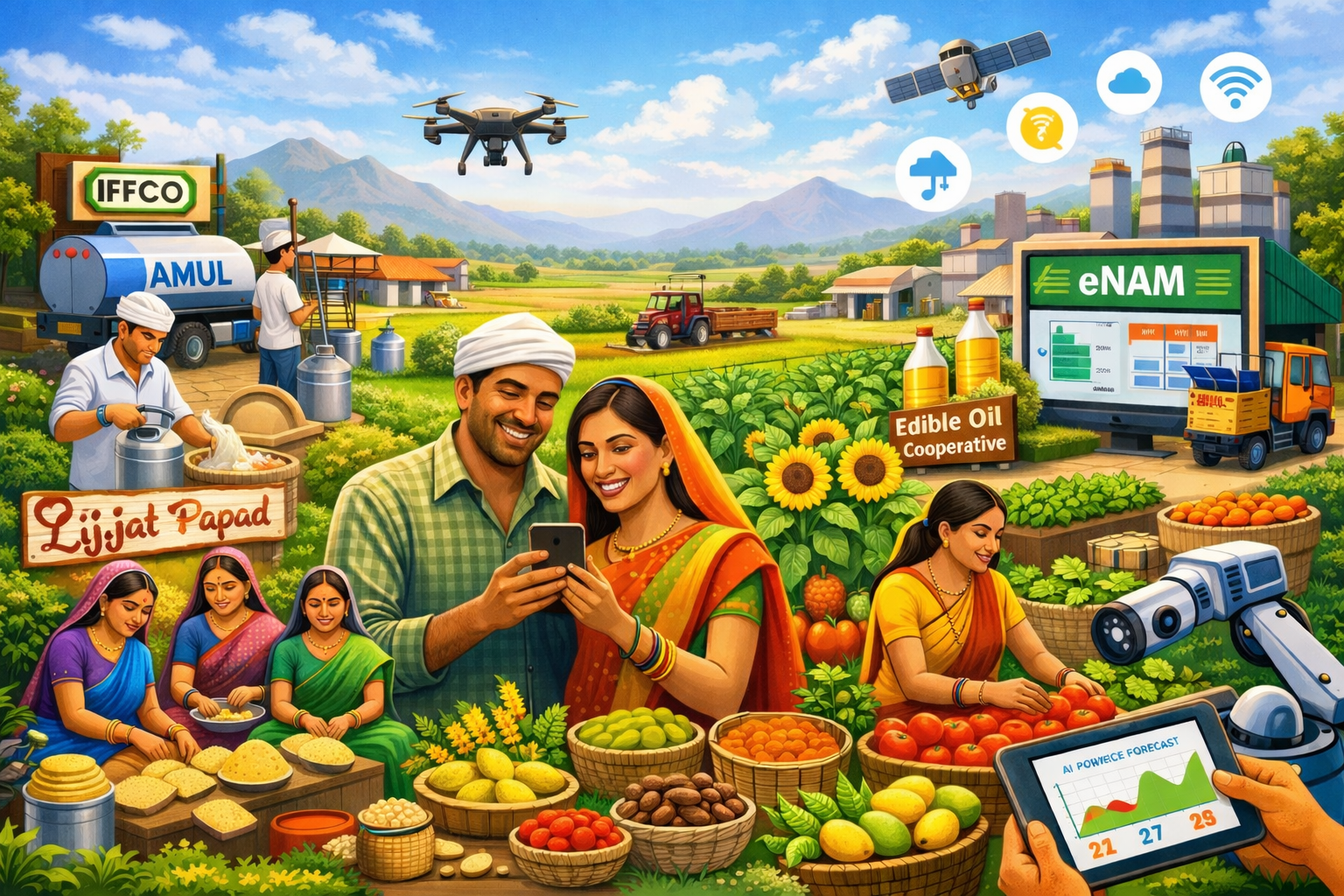
Sound market infrastructure is the quiet backbone of a healthy rural economy. In India, the most enduring rural commercial successes—from dairy cooperatives to women-led enterprises—have shown that when markets are designed to serve producers, value is created at scale and shared with dignity. Today, digitalisation and artificial intelligence offer a historic opportunity to extend these principles to sectors like horticulture and edible oils, where fragmented value chains and weak market linkages still limit farmer incomes. By combining cooperative ownership, real-time data, AI-driven forecasting, and local processing, India can build markets that are efficient without being extractive and modern without being exclusionary. A new rural market architecture—rooted in trust, powered by technology, and centred on producers—can turn strong villages into the foundation of a strong nation.